


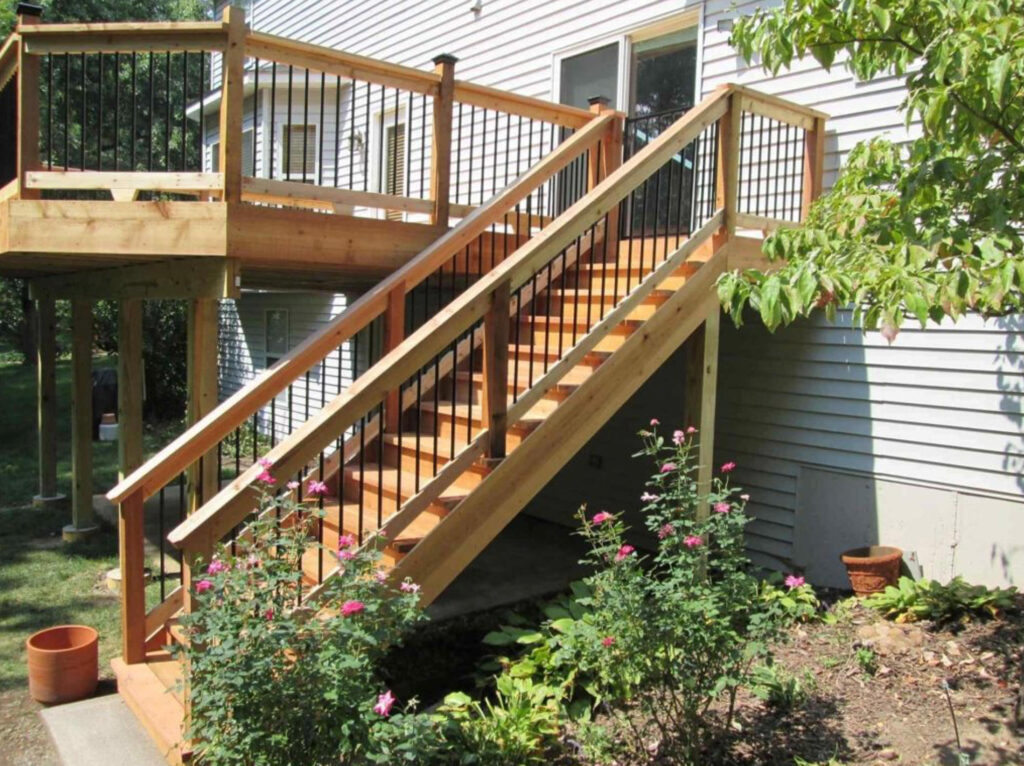
Generally, stairlifts are installed indoors, but some customers require them to be installed outdoors due to different building layouts. Some detached villas have garages on the ground floor and living rooms on the second floor, requiring long stairlift to be installed outdoors. If the villa doesn’t have a direct elevator on the ground floor, people with mobility issues would have to climb dozens of steps to get from the first to the second floor, a significant daily challenge.
Installing a stairlift at an outdoor stairwell is a good solution, but unlike indoor stairlift, outdoor stairlifts face many challenges, such as exposure to wind, sun, rain, moisture, and dust, which can affect the lifespan of components and even render them unusable. So, how can these problems be solved? Senior engineers at Handicare, a globally renowned stairlift brand, have summarized comprehensive measures to effectively extend the lifespan of outdoor stairlift and ensure their long-term stable operation.
1. Choose suitable materials and protective coatings:
• The main structure of the stairlift should be made of corrosion-resistant and weather-resistant materials, such as stainless steel or specially treated aluminum alloy. These materials are better able to resist the erosion caused by rain, sunlight, and humidity in the outdoor environment.
• The surfaces of the tracks and components should be coated with a high-quality anti-corrosion coating to increase protection. For example, use multi-layer anti-rust paint or a special coating with waterproof and UV-resistant properties.
2. Install rain and sun protection facilities if possible:
• Install a rain shelter above the stairlift to prevent rainwater from directly hitting the equipment and reducing moisture damage to electronic components and mechanical parts.
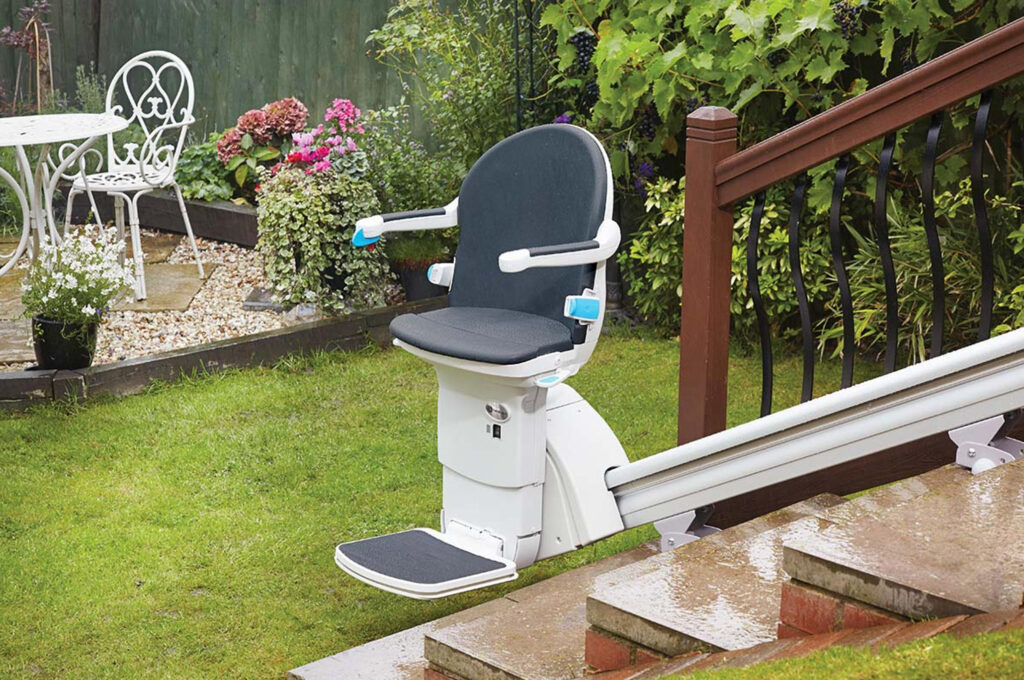
• Install sunshades to reduce the aging effects of high temperatures and ultraviolet rays caused by direct sunlight. For example, use sturdy and durable aluminum or plastic sunshades. For example, Handicare’s Model 1000 chairlift features chrome-plated, rust-proof tracks, UV-resistant slate grey seat covers, non-slip footrests, and an IP44-rated waterproof cover that withstands wind and rain, making it ready for immediate use.
3. Regular Cleaning and Maintenance:
• Establish a regular cleaning schedule to remove dust, dirt, leaves, and other debris from the equipment surface to prevent them from clogging the tracks or affecting mechanical operation.
• Check the tightness of the tracks and connections to ensure smooth operation. For example, check for loose screws monthly.
• Add lubricant to moving parts to maintain good lubrication and reduce wear.
4. Waterproofing and Moisture-proofing:
• Perform rigorous waterproof sealing on electrical components to prevent rainwater penetration that could cause short circuits or malfunctions.
• Install drainage channels at the bottom of the equipment to ensure timely drainage and prevent soaking.
5. Regular Inspection and Maintenance:
• Schedule a comprehensive inspection by professionals annually, including the motor, control system, tracks, etc., to promptly identify and address potential problems.
• Replace worn parts, such as tires and belts, to ensure normal equipment operation.
6. Power Protection:
• Install a stable power supply system and equip it with overvoltage and overcurrent protection devices to prevent damage to the equipment from power fluctuations.
7. Foreign Object and Collision Protection:
• Install guardrails around the equipment to prevent external objects from colliding with the chairlift.
• Install sensors that automatically stop operation when foreign objects are detected to avoid damage to the equipment.
We hope these suggestions can help those who need to install outdoor chairlifts, extend the lifespan of the chairlift, and improve the user experience.